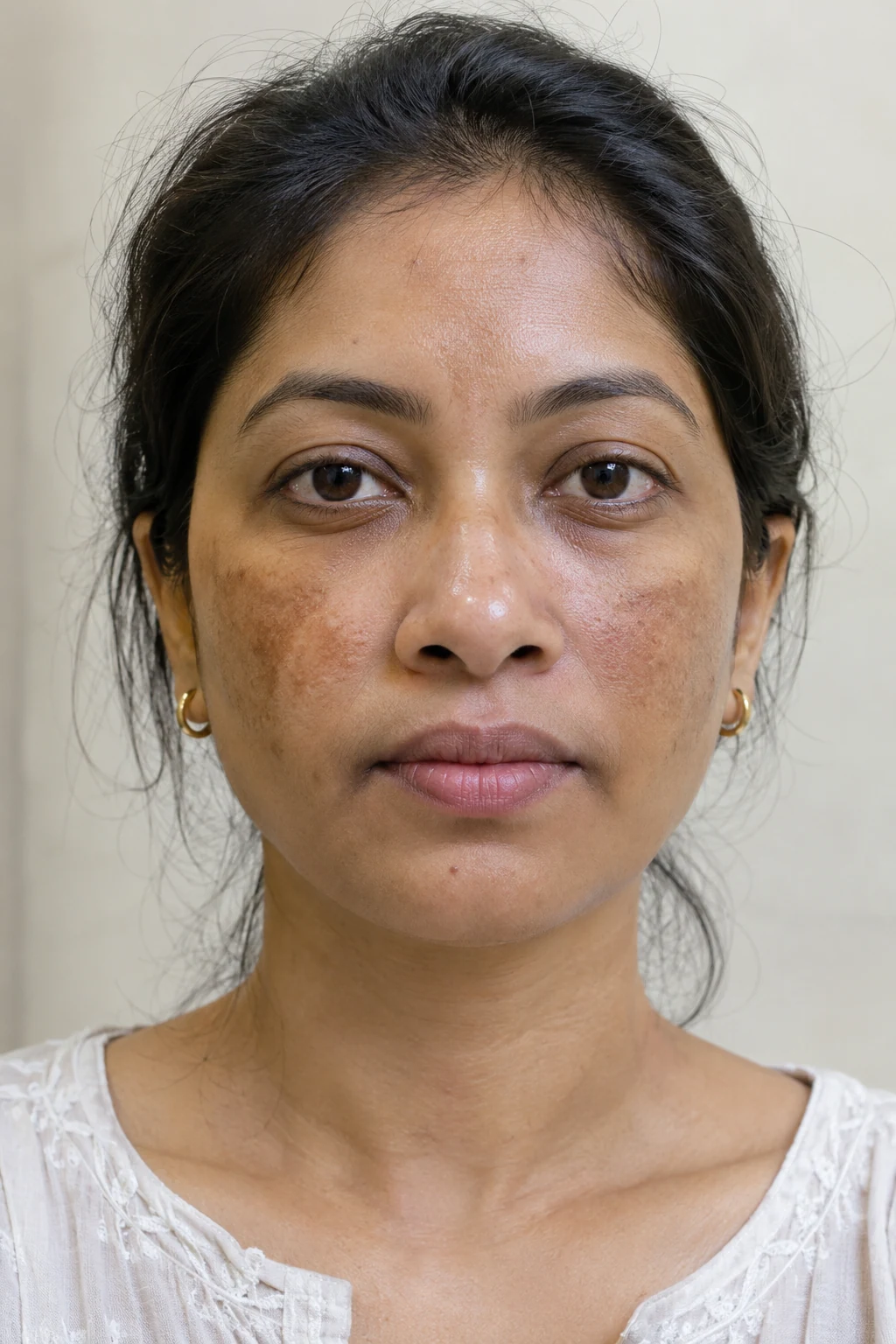
Brown or grey-brown patches
Often appear across the cheeks, forehead or upper lip.

Explore Treatments
Explore by Concern
About Bavary Clinic
Learn more about our team, our approach to care and the story behind our London and Sligo clinics.
The Bavary Approach · Concerns
Melasma is a relapsing facial pigmentation disorder influenced by light exposure and hormonal factors. Managing it usually requires consistent photoprotection and conservative expectations rather than aggressive attempts to remove pigment quickly.
Book a consultationThe concern
Melasma usually appears as flat brown or grey-brown patches on sun-exposed facial skin and is influenced by melanocyte activity, ultraviolet exposure and hormonal factors. It commonly recurs, even after visible improvement.
Bavary Clinic approaches suspected melasma conservatively. Broad-spectrum sun protection and appropriate skincare come first; peels or microneedling may be considered selectively, but procedures can also aggravate pigmentation. Diagnosis or prescription treatment should be managed by an appropriate healthcare professional where required.
Recognising the signs
The following features may occur individually or together. Their significance depends on the wider pattern and individual assessment.
Often appear across the cheeks, forehead or upper lip.
Pigmentation may affect corresponding areas on both sides of the face.
Visible pigment may become more pronounced after light exposure.
Pigmentation can return after periods of improvement.
Understanding the factors
Several factors may contribute to this concern. The presence of one feature does not establish a diagnosis.
Light exposure can contribute to worsening or recurrence.
Hormonal changes may influence melasma activity.
Genetic and skin-related factors can contribute.
Useful information
Explore practical answers to common questions about this concern.
The detailed guide
Understanding the underlying pattern helps explain treatment choices, limitations and realistic expectations.
Melasma is a chronic, relapsing pigmentary disorder rather than a simple surface stain.
Visible improvement does not guarantee permanent clearance.
Consistent broad-spectrum protection, including suitable visible-light protection, is foundational.
Peels, microneedling and light-based procedures can aggravate pigment in some individuals.
Diagnosis and prescription management should be handled by an appropriate healthcare professional.
Supporting your skin
A simple, consistent routine can support comfort and help reduce avoidable irritation.
Consistency is essential even when pigment looks improved.
A tinted sunscreen may be appropriate for some individuals.
Introduce active skincare gradually and seek advice before procedures.
Professional skincare
Selected skincare can support a considered routine. Product associations will be added only after WooCommerce identifiers have been verified.
 ObagiNu-Derm Clear Fx Skin Brightening Cream 57g£130.00A brightening skincare option for uneven-looking tone; suitability and tolerance should be assessed.
 ObagiNu-Derm Blend Fx 57g£115.00A tone-supporting product from the Nu-Derm range; use only as part of a suitable routine.
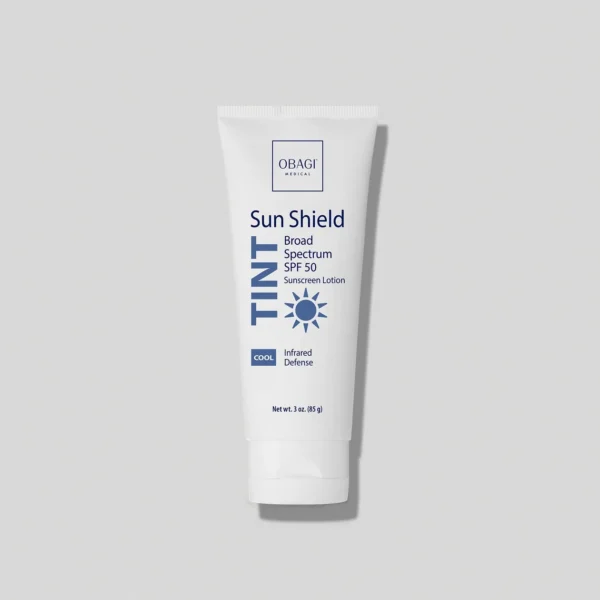 ObagiTinted Sun Shield SPF50 - Cool 85g£70.00Tinted SPF option that may be useful as part of a pigmentation-conscious routine.
 ObagiTinted Sun Shield SPF50 - Warm 85g£70.00Tinted SPF option that may be useful as part of a pigmentation-conscious routine.
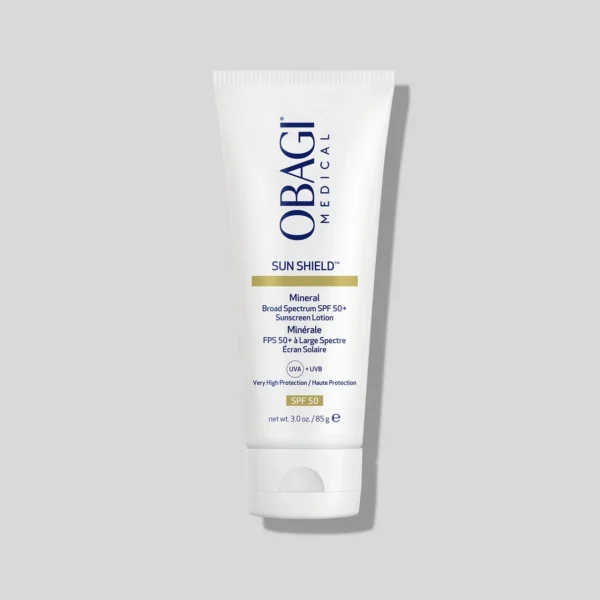 ObagiSun Shield Mineral Broad Spectrum SPF50 85g£70.00Broad-spectrum mineral sun protection to support daily photoprotection.
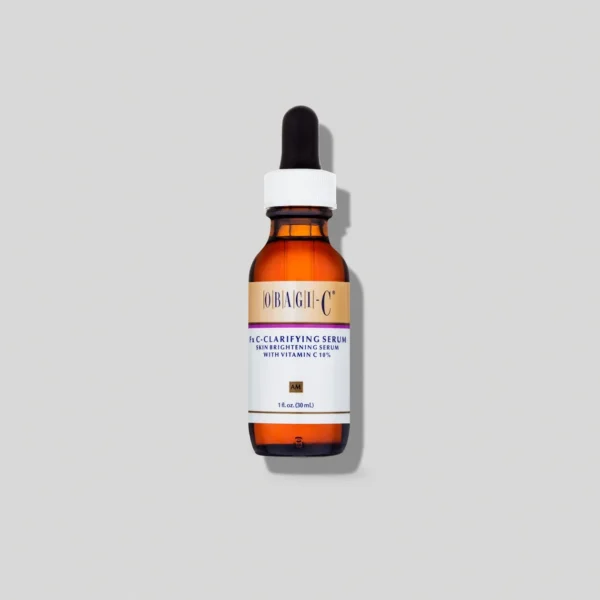 ObagiC-Clarifying Serum Brightening Essence Fx 30ml£140.00A brightening essence option for uneven tone, subject to skin tolerance.
Our philosophy
A thoughtful plan begins with understanding the concern, not choosing a procedure.
We begin by understanding melasma in context, including the pattern of pigmentation, recurrence history, triggers, skin tone and tolerance of light exposure. Recommendations reflect your priorities, relevant history and individual suitability.
We explain what each option may and may not change, when a conservative approach is preferable and when medical advice should come first.
What happens next
Your plan is shaped around your concern, history and suitability, with time to review recommendations and realistic expectations.
We begin by discussing your priorities, history and what you would like to change. We consider how long melasma has been present and what you have already tried.
You can ask questions and explain any previous treatment or concerns that may affect suitability.
We assess the pattern of pigmentation, recurrence history, triggers, skin tone and tolerance of light exposure. We also review relevant skin, hair, medical and lifestyle factors.
If the pattern suggests a medical issue or a treatment outside the clinic's scope, appropriate further advice takes priority.
We explain which options may be relevant, their limitations and the reasons some treatments may not be suitable.
You receive a considered explanation rather than a recommendation to combine procedures unnecessarily.
If treatment is appropriate, we agree a staged plan based on your priorities, suitability and recovery requirements.
The plan includes realistic expectations and practical advice for preparation and aftercare.
We review your response and discuss whether any further treatment is justified.
The plan can be adjusted as your needs and results become clearer.
Clinical considerations
Uncertain pigmentation should be medically assessed. Avoid cosmetic procedures on undiagnosed lesions or when the skin is actively inflamed.
Questions & answers
These answers provide general information. Your individual recommendations depend on consultation and assessment.
Your appointment
Consultations for this concern are available at Bavary Clinic in Harrow and Sligo, subject to suitability and appointment availability.
Sligo
Bavary Clinic
Office 9, Wine Street
Rathedmond, Sligo, F91 CC01
Ireland
Your next step
Arrange a consultation to discuss your concerns and explore suitable options.