Brown or grey-brown marks
Flat areas of post-inflammatory pigmentation.
Explore Treatments
Explore by Concern
About Bavary Clinic
Learn more about our team, our approach to care and the story behind our London and Sligo clinics.
The Bavary Approach · Concerns
Red or brown marks after acne are common and can last long after a spot has healed. They are different from indented scars and need a pigment- and inflammation-aware approach.
Book a consultationThe concern
After acne settles, inflammation can leave flat red, pink, brown or grey-brown marks. These are not necessarily scars: post-inflammatory hyperpigmentation reflects excess pigment after inflammation, while persistent redness can reflect vascular change.
Bavary Clinic first distinguishes colour change from true textural scarring. Sun protection and a well-tolerated routine are central, while selected peels, IPL or microneedling may be considered according to the type of mark, skin tone and risk of creating further inflammation.
Recognising the signs
The following features may occur individually or together. Their significance depends on the wider pattern and individual assessment.
Flat areas of post-inflammatory pigmentation.
Colour change that may reflect persistent vascular redness.
Several marks may create a mottled appearance.
Indentations suggest scarring rather than a flat mark.
Understanding the factors
Several factors may contribute to this concern. The presence of one feature does not establish a diagnosis.
Acne inflammation can stimulate excess pigment production.
Light exposure may make some pigmentary marks more persistent.
Darker skin tones may experience more persistent PIH, and picking can prolong inflammation.
Useful information
Explore practical answers to common questions about this concern.
The detailed guide
Understanding the underlying pattern helps explain treatment choices, limitations and realistic expectations.
Flat marks may be red, pink, brown or grey-brown and differ from structural scars.
Pigmentary marks and persistent redness have different mechanisms and may need different approaches.
Post-inflammatory hyperpigmentation can be more noticeable and persistent in darker skin tones.
Sun protection, gentle skincare and conservative treatment selection help reduce the risk of further inflammation.
Supporting your skin
A simple, consistent routine can support comfort and help reduce avoidable irritation.
Reduce UV-related darkening of existing marks.
Allow blemishes to heal without repeated trauma.
Avoid combining multiple irritating ingredients.
Professional skincare
Selected skincare can support a considered routine. Product associations will be added only after WooCommerce identifiers have been verified.
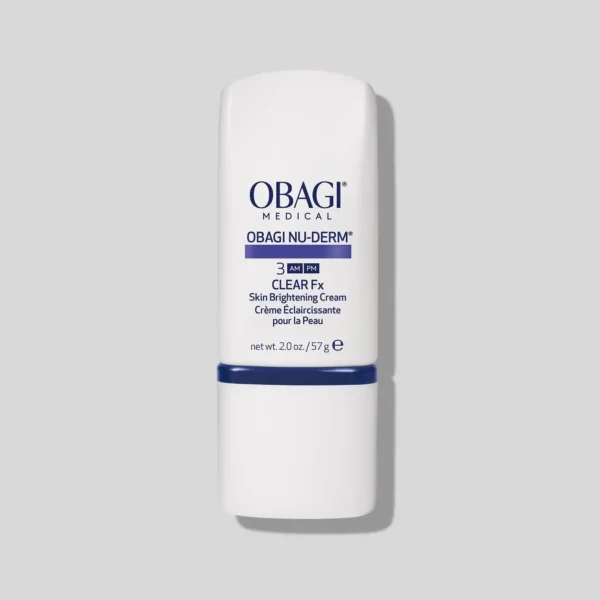 ObagiNu-Derm Clear Fx Skin Brightening Cream 57g£130.00A brightening skincare option for uneven-looking tone; suitability and tolerance should be assessed.
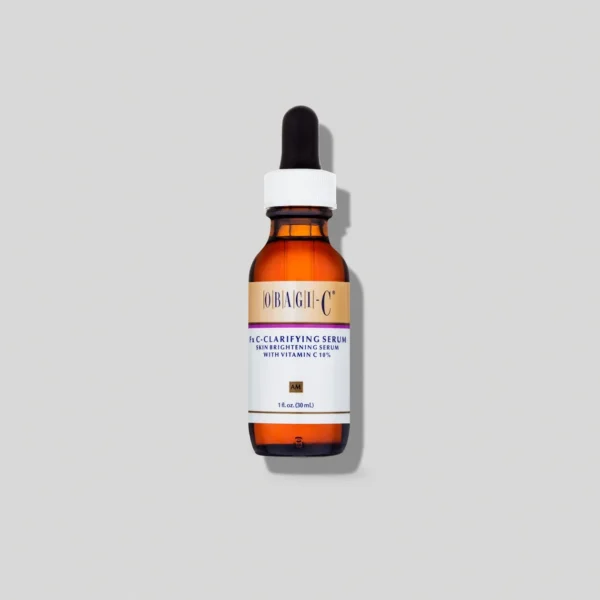 ObagiC-Clarifying Serum Brightening Essence Fx 30ml£140.00A brightening essence option for uneven tone, subject to skin tolerance.
 ObagiProfessional-C Serum 10% 30ml£120.00A lower-strength vitamin C antioxidant serum option for suitable skin.
 ObagiProfessional-C 15% Vitamin C Antioxidant Serum 30ml£140.00A vitamin C antioxidant serum that may support a routine targeting dullness and uneven tone.
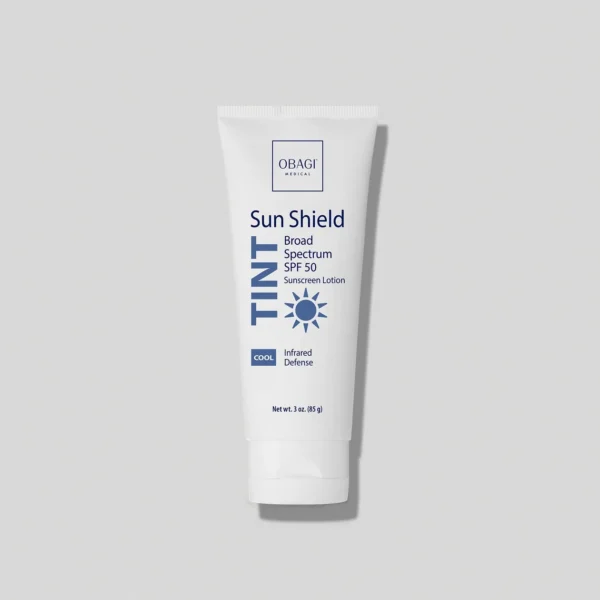 ObagiTinted Sun Shield SPF50 - Cool 85g£70.00Tinted SPF option that may be useful as part of a pigmentation-conscious routine.
 ObagiTinted Sun Shield SPF50 - Warm 85g£70.00Tinted SPF option that may be useful as part of a pigmentation-conscious routine.
Our philosophy
A thoughtful plan begins with understanding the concern, not choosing a procedure.
We begin by understanding post-acne marks in context, including whether marks are pigmentary, vascular or structural, alongside skin tone and sensitivity. Recommendations reflect your priorities, relevant history and individual suitability.
We explain what each option may and may not change, when a conservative approach is preferable and when medical advice should come first.
What happens next
Your plan is shaped around your concern, history and suitability, with time to review recommendations and realistic expectations.
We begin by discussing your priorities, history and what you would like to change. We consider how long post-acne marks has been present and what you have already tried.
You can ask questions and explain any previous treatment or concerns that may affect suitability.
We assess whether marks are pigmentary, vascular or structural, alongside skin tone and sensitivity. We also review relevant skin, hair, medical and lifestyle factors.
If the pattern suggests a medical issue or a treatment outside the clinic's scope, appropriate further advice takes priority.
We explain which options may be relevant, their limitations and the reasons some treatments may not be suitable.
You receive a considered explanation rather than a recommendation to combine procedures unnecessarily.
If treatment is appropriate, we agree a staged plan based on your priorities, suitability and recovery requirements.
The plan includes realistic expectations and practical advice for preparation and aftercare.
We review your response and discuss whether any further treatment is justified.
The plan can be adjusted as your needs and results become clearer.
Clinical considerations
Persistent or changing lesions, uncertain pigmentation, or worsening inflammation should be assessed appropriately before cosmetic treatment.
Questions & answers
These answers provide general information. Your individual recommendations depend on consultation and assessment.
Your appointment
Consultations for this concern are available at Bavary Clinic in Harrow and Sligo, subject to suitability and appointment availability.
Sligo
Bavary Clinic
Office 9, Wine Street
Rathedmond, Sligo, F91 CC01
Ireland
Your next step
Arrange a consultation to discuss your concerns and explore suitable options.